

Driving in challenging weather conditions requires extra awareness, patience, and preparation. Rain, snow, and fog can reduce visibility, traction, and reaction time, increasing the risk of accidents. Even experienced drivers can struggle when road conditions change suddenly. Understanding how different weather conditions affect driving helps drivers adjust habits and stay in control. Safe driving in poor weather is not about fear, but about making smart decisions that protect everyone on the road.
How Weather Conditions Change Driving Risks
Weather directly affects how a vehicle responds on the road. Rain can make surfaces slippery, snow can reduce traction, and fog can limit visibility. These conditions increase stopping distance and reduce a driver’s ability to react quickly. Vehicles behave differently depending on speed, tire condition, and road surface. Understanding these changes helps drivers anticipate risks rather than react too late.
Poor weather also affects other drivers, increasing unpredictability on the road. Reduced visibility can make it harder to spot hazards, pedestrians, or sudden stops. Weather-related accidents often occur because drivers underestimate conditions. Adjusting speed and following distance is essential. Recognizing how weather impacts driving is the first step toward safer decisions behind the wheel.
Best Practices for Driving Safely in Rain
Rain is one of the most common weather-related driving hazards. Wet roads reduce tire grip, increasing the risk of skidding or hydroplaning. Hydroplaning occurs when tires lose contact with the road due to standing water. Slowing down helps tires maintain contact and improves control. Sudden movements should be avoided to prevent loss of traction.
Using headlights in rain improves visibility for both the driver and others on the road. Maintaining a greater following distance allows more time to stop safely. Avoiding cruise control in heavy rain helps drivers stay responsive. Checking windshield wipers and tire tread before rainy conditions improves safety. Rain requires smoother, more cautious driving to reduce risks.
Safe Driving Techniques for Snowy and Icy Roads
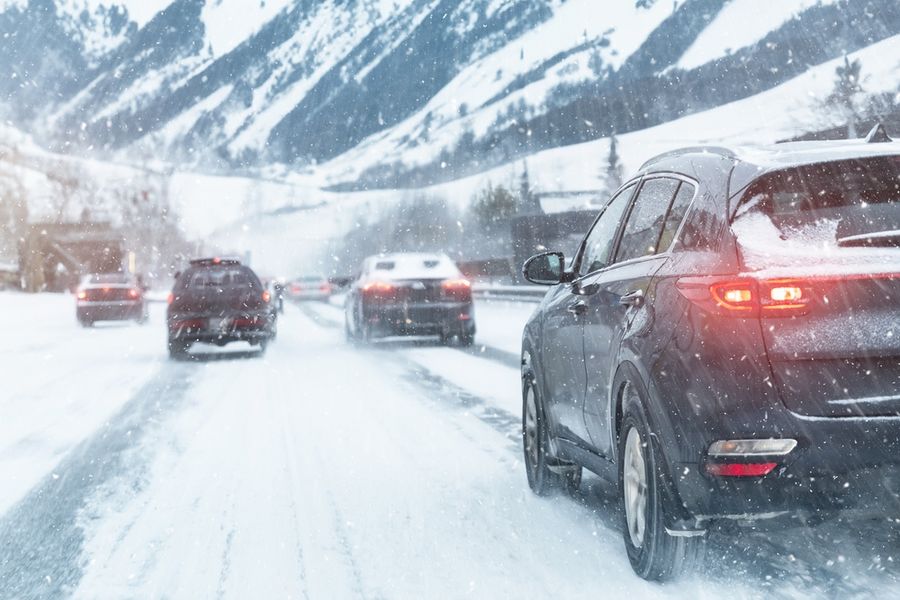
Snow and ice significantly reduce traction, making braking and steering more difficult. Driving slowly and steadily is essential in these conditions. Sudden acceleration or sharp turns can cause loss of control. Gentle movements help maintain stability and traction. Increased following distance provides more time to react to stops.
Braking techniques are especially important on snow and ice. Anti-lock braking systems help maintain control, but drivers should still brake gradually. Avoiding hills when possible reduces the risk of sliding. Clearing snow from windows, mirrors, and lights improves visibility. Snowy conditions require patience and careful planning to reduce accidents.
How to Handle Foggy Driving Conditions
Fog reduces visibility, making it difficult to see other vehicles, road markings, and obstacles. Driving slowly allows more time to react to sudden hazards. Low-beam headlights improve visibility without causing glare. High beams should be avoided because they reflect off fog and reduce visibility further. Using road markings as a guide can help maintain proper lane position.
Following too closely in fog is especially dangerous. Reduced visibility increases stopping distance and reaction time. Listening for traffic can also help identify nearby vehicles. If fog becomes too dense, pulling over to a safe location may be the best option. Fog demands heightened awareness and careful speed control.
Adjusting Speed and Following Distance
Speed management is critical in poor weather. Reduced traction and visibility mean vehicles need more distance to stop safely. Driving slower than posted limits is often necessary when conditions are bad. Speed limits are designed for ideal conditions, not rain, snow, or fog. Adjusting speed helps maintain control and reduces accident risk.
Following distance should also be increased significantly. More space allows time to react if another vehicle brakes suddenly. Tailgating becomes especially dangerous in wet or icy conditions. Maintaining a safe distance improves overall traffic flow and safety. Speed and spacing adjustments are simple habits that greatly reduce weather-related accidents.
Smart Weather Driving Protects Everyone on the Road
Driving safely in rain, snow, and fog requires awareness, preparation, and adjusted habits. Weather conditions change how vehicles respond, making slower speeds and increased following distance essential. Proper techniques for rain, snow, and fog help drivers maintain control and reduce accidents. Vehicle maintenance also plays a major role in weather safety. Tires, lights, and visibility all affect performance.
Safe weather driving is about making thoughtful choices rather than rushing. Adjusting speed, staying focused, and remaining patient protect both the driver and others on the road. Poor weather cannot be controlled, but driving behavior can. With the right practices, drivers can navigate challenging conditions more confidently. Smart weather driving supports safer journeys, fewer accidents, and greater peace of mind in all conditions.