

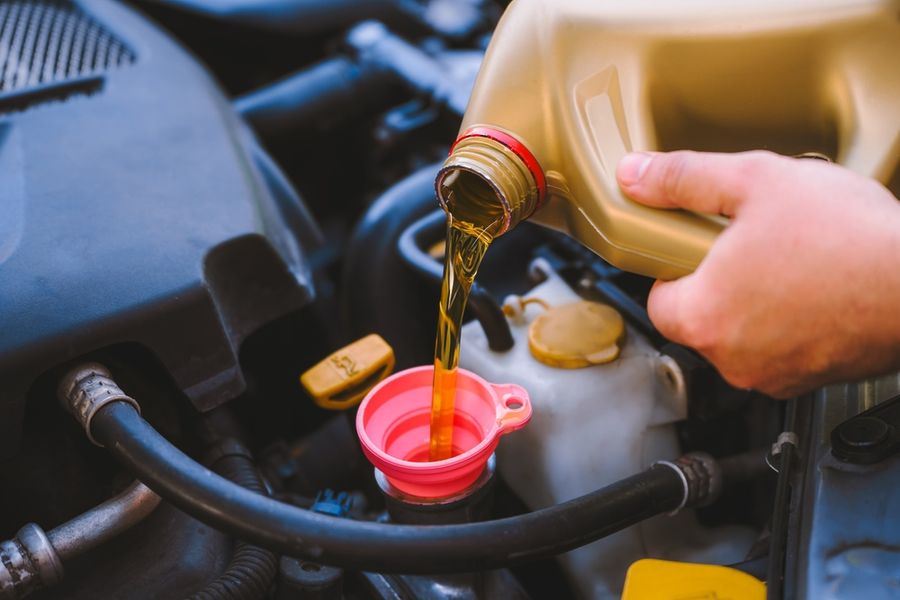
Oil changes are one of the most basic forms of car maintenance, yet they often cause confusion for drivers. Advice can vary depending on vehicle type, driving habits, and oil used. Some people change oil too often, while others wait too long. Understanding how oil works and what affects oil change intervals helps drivers protect their engines and avoid unnecessary costs. Knowing when to change oil is a simple but important part of keeping a vehicle running smoothly.
Why Engine Oil Is So Important
Engine oil plays a critical role in keeping a vehicle running properly. It lubricates moving engine parts, reducing friction and preventing excessive wear. Without proper lubrication, engine components can grind against each other, leading to damage and overheating. Oil also helps regulate engine temperature by carrying heat away from critical areas.
Oil also helps keep the engine clean. As oil circulates, it collects dirt, debris, and small metal particles created by normal engine operation. Over time, oil becomes dirty and less effective. When oil breaks down, it loses its ability to protect engine parts properly. Regular oil changes remove contaminated oil and replace it with clean oil that can do its job effectively.
How Oil Breaks Down Over Time
Oil does not last forever, even if a vehicle is not driven frequently. Heat, friction, and contaminants gradually reduce oil quality. High engine temperatures cause oil to thin and break down chemically. As oil ages, it becomes less effective at lubricating and protecting engine components.
Driving conditions play a major role in how quickly oil degrades. Stop-and-go traffic, short trips, towing, and extreme temperatures can all shorten oil life. Short trips are especially hard on oil because the engine may not reach optimal operating temperature. When oil cannot warm up fully, moisture and contaminants build up more quickly.
Traditional Oil Change Guidelines Explained
For many years, the standard advice was to change oil every 3,000 miles. This recommendation was based on older engines and conventional oil types. Modern vehicles and improved oil formulations have extended oil life significantly. Many newer cars can safely go 5,000 to 7,500 miles between oil changes, depending on conditions.
Manufacturer recommendations are the most reliable guide. Vehicle owner’s manuals provide specific oil change intervals based on engine design and oil type. These guidelines take driving conditions into account. Following manufacturer recommendations helps maintain warranty coverage and engine performance.
Conventional Oil vs Synthetic Oil
The type of oil used affects how often oil changes are needed. Conventional oil is derived from crude oil and typically requires more frequent changes. It works well for older vehicles or those with simple engine designs. However, conventional oil breaks down faster under high heat and stress.
Synthetic oil is engineered to provide better performance and longer life. It resists breakdown at high temperatures and flows more easily in cold conditions. Synthetic oil also offers better protection against engine wear. Many modern vehicles are designed specifically for synthetic oil.
How Driving Habits Affect Oil Change Frequency
Driving habits have a major impact on how often oil should be changed. Frequent short trips can be harder on oil than long highway drives. Stop-and-go traffic increases engine strain and oil contamination. Towing heavy loads or driving in extreme heat also increases oil breakdown. Vehicles used for these conditions often need more frequent oil changes.
Highway driving at steady speeds is generally easier on oil. Engines reach proper operating temperatures, allowing oil to burn off moisture and contaminants. Drivers who mostly drive long distances may be able to extend oil change intervals safely.
Warning Signs That Oil Needs Attention
Sometimes oil needs attention before reaching a scheduled interval. Dashboard warning lights may indicate low oil pressure or oil level issues. Unusual engine noises, such as knocking or ticking, can also signal oil problems. Dark, gritty oil on the dipstick suggests contamination and aging.
Checking oil level and condition regularly helps prevent engine damage. Low oil levels increase friction and heat inside the engine. Ignoring warning signs can lead to costly repairs. Routine checks provide early detection of potential issues.
Smart Oil Change Habits Protect Your Engine
Changing oil at the right time is one of the most important ways to protect a vehicle’s engine. Oil lubricates, cools, and cleans engine components, supporting performance and longevity. Oil change frequency depends on oil type, driving habits, and manufacturer recommendations.
Developing smart maintenance habits keeps vehicles running reliably. Checking oil regularly, following recommended intervals, and choosing the right oil type all contribute to engine health. Oil changes are a simple investment with long-term benefits. Staying informed helps drivers make confident decisions about car care.