

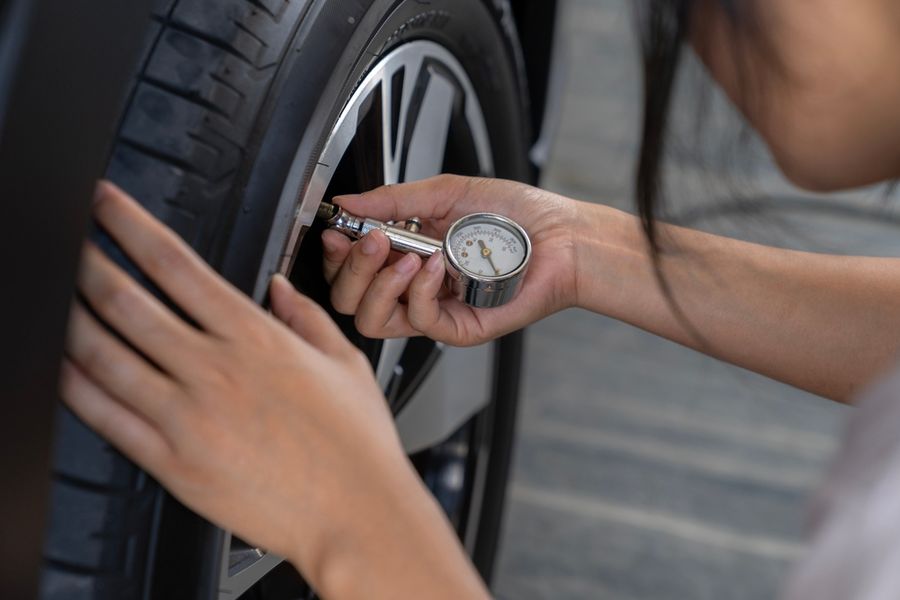
Tires play a major role in vehicle safety, handling, and overall performance, yet they are often overlooked until a problem occurs. Proper tire care helps improve traction, fuel efficiency, and driving comfort. Worn or improperly maintained tires can increase stopping distance and raise the risk of blowouts. Understanding how to check tread depth, tire pressure, and signs of wear allows drivers to address issues early. With regular attention, tire care becomes a simple habit that supports safer driving.
Why Tire Care Is So Important
Tires are the only part of a vehicle that make direct contact with the road. Their condition affects braking, steering, and stability in all driving conditions. When tires are properly maintained, they provide better grip and more predictable handling. Poor tire care can reduce traction, especially on wet or slippery roads. This increases the risk of skidding or losing control.
Tire condition also affects vehicle efficiency. Underinflated or worn tires increase rolling resistance, which forces the engine to work harder. This can reduce fuel efficiency and increase wear on suspension components. Proper tire care helps distribute weight evenly and reduces unnecessary strain. Regular inspections and maintenance help tires perform as designed.
How to Check Tire Tread Depth
Tread depth determines how well tires grip the road, especially in rain or snow. As tread wears down, tires lose their ability to channel water away from the surface. This increases the risk of hydroplaning and reduces braking effectiveness. Checking tread depth regularly helps identify when tires need replacement.
One simple method is the coin test, where a coin is placed into the tread grooves to estimate depth. If the tread does not reach the recommended depth, it may be time for new tires. Tread wear indicators built into modern tires also provide guidance. These indicators appear as raised bars across the tread when tires are worn. Uneven tread wear may signal alignment or suspension issues.
Understanding Proper Tire Pressure
Correct tire pressure is essential for safety and performance. Tires that are underinflated flex more than designed, causing excessive heat buildup and faster wear. Overinflated tires reduce the contact area with the road, which can affect handling and braking. Both conditions can increase the risk of tire damage or failure.
Tire pressure should be checked regularly, ideally once a month and before long trips. Pressure recommendations are usually found on a sticker inside the driver’s door or in the owner’s manual. Temperature changes can also affect tire pressure, causing fluctuations throughout the year. Checking pressure when tires are cold provides the most accurate reading.
Common Signs of Tire Wear
Tire wear patterns provide clues about vehicle alignment and driving habits. Uneven wear on the edges may indicate underinflation, while wear in the center often suggests overinflation. Cupping or scalloped wear patterns can signal suspension or balance problems. Recognizing these signs early helps prevent further damage and costly repairs.
Cracks in the sidewall, bulges, or exposed cords indicate serious tire damage. These issues increase the risk of blowouts and should be addressed immediately. Tires also age over time, even if tread depth appears acceptable. Rubber compounds degrade, reducing performance and safety.
How Tire Rotation Extends Tire Life
Tire rotation helps distribute wear evenly across all tires. Front and rear tires often wear differently due to steering and braking forces. Rotating tires at recommended intervals helps extend their lifespan and maintain balanced handling. Without rotation, some tires may wear out much faster than others. Even wear improves traction and stability.
Rotation schedules vary depending on vehicle type and drivetrain. Many manufacturers recommend rotating tires every 5,000 to 7,500 miles. Following recommended intervals helps maintain consistent performance. Tire rotation also provides an opportunity to inspect tires for damage. Regular rotation supports better fuel efficiency and longer tire life.
Good Tire Care Supports Safer Driving
Proper tire care is essential for vehicle safety, efficiency, and performance. Checking tread depth helps maintain traction and reduces hydroplaning risk. Maintaining correct tire pressure supports handling, braking, and fuel efficiency. Recognizing signs of wear allows early action before serious problems develop. Regular rotation, alignment, and balance help extend tire life and maintain comfort.
Tires require ongoing attention, but maintenance does not need to be complicated. Simple checks and routine services make a significant difference over time. Well-maintained tires provide better control and peace of mind. Safe driving starts with reliable tires that perform as expected. By building consistent tire care habits, drivers protect their vehicles and support safer journeys in all conditions.