

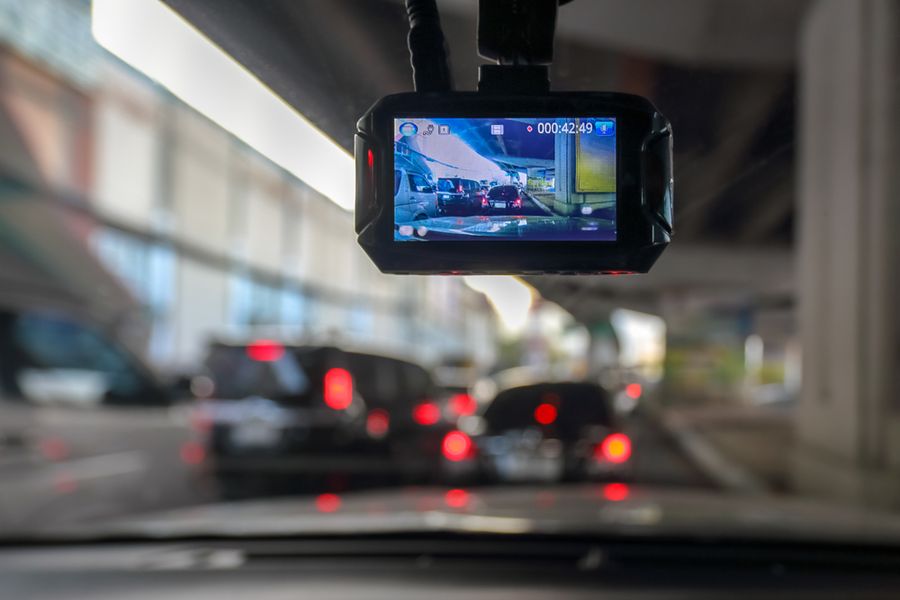
After a collision, the clearest version of events is not always the one people remember. Stress, traffic, weather, and conflicting statements can make an accident claim harder to explain. A good dash cam can help by preserving footage of the moments before, during, and after an incident. For U.S. drivers, the best choice is not always the most expensive model, but the one that captures useful evidence clearly and makes that footage easy to retrieve.
Why Dash Cam Footage Can Matter After A Crash
Accident claims often depend on details: lane position, traffic signals, vehicle speed, following distance, brake timing, road conditions, and whether another driver changed lanes or ran a red light. A dash cam does not replace a police report, insurance adjuster, witness statement, or photos from the scene, but it can give drivers a useful record when memories differ. The most helpful footage is usually clear, time-stamped, and saved before loop recording overwrites it.
A dash cam can also help with incidents that happen when the vehicle is parked. Hit-and-runs, parking lot scrapes, vandalism, and impact damage can be difficult to explain without a witness. Models with parking mode, impact detection, buffered recording, or cloud alerts can give drivers a better chance of preserving the relevant clip. For claims purposes, the goal is not constant surveillance for its own sake. The goal is usable evidence when something goes wrong.
What To Look For In A Claims-Friendly Dash Cam
Video quality matters, but resolution alone does not tell the whole story. A 4K front camera can help capture plates and signs, but low-light performance, dynamic range, lens angle, frame rate, and glare control can matter just as much. Night driving, headlights, rain, windshield reflections, and bright sun can all make footage harder to read. A dash cam that handles contrast well may be more useful than one that only looks impressive in ideal daylight.
Storage and access are also important. Loop recording is standard, but drivers should know how to lock, download, and share a clip after an incident. Wi-Fi app access can make it easier to transfer footage from the car to a phone. GPS can add location and speed context, though drivers should remember that speed data may become part of the claim conversation. For some people, a simple local-storage camera is enough. Others may prefer connected features that send alerts or allow remote viewing.
Dash Cams Worth Considering For Accident Claims
Here's a snapshot of several dash cams worth investigating:
|
Dash Cam |
Best Fit |
Claim-Helpful Features |
Main Trade-Off |
|---|---|---|---|
|
Garmin Dash Cam X310 |
Drivers who want a compact 4K camera from a familiar brand |
4K video, wide field of view, incident detection, voice control, touchscreen |
Best for forward-facing evidence unless paired with additional cameras |
|
VIOFO A229 Pro 2CH |
Drivers who want strong front-and-rear coverage |
4K front and 2K rear recording, HDR, GPS, Wi-Fi, voice control |
More involved setup than a simple one-camera unit |
|
Thinkware U3000 |
Drivers who care about parking protection |
4K front option, radar-assisted parking mode, low-light sensor technology, connected features on some setups |
Advanced parking features may require extra installation steps |
|
Nextbase iQ 4K |
Drivers who want smart connected features |
4K option, cabin view, app-based features, emergency and witness-style tools |
Some connected features may depend on subscriptions or service availability |
|
Vantrue N5S |
Rideshare drivers or families wanting broader cabin coverage |
Four-channel coverage, GPS, Wi-Fi, parking mode, interior recording |
Larger system with more cameras and more installation complexity |
Garmin Dash Cam X310: A Compact 4K Option For Everyday Drivers
The Garmin Dash Cam X310 is a strong fit for drivers who want a compact forward-facing camera with simple controls and sharp video. Its 4K recording, touchscreen, voice control, and incident detection make it approachable for people who do not want a complicated multi-camera system. For many commuters, a front-facing recording of traffic, lane movement, road signals, and the point of impact may be the most important evidence.
The trade-off is coverage. A front-only dash cam may miss rear-end details, side impacts, or cabin context. Drivers who regularly park on busy streets, drive for work, or want more complete protection may want a two-channel or multi-channel setup. Still, for a straightforward “set it and use it” option, a compact 4K camera can make sense if the main concern is documenting what happened in front of the vehicle.
VIOFO A229 Pro 2CH: Strong Front-And-Rear Evidence
The VIOFO A229 Pro 2CH is built for drivers who want high-quality evidence from both the front and rear of the vehicle. That two-camera coverage can be especially useful when a crash involves tailgating, a rear-end collision, a lane-change dispute, or an incident where another vehicle’s movement behind you matters. Its front 4K and rear 2K setup gives drivers a broader record than a basic windshield-only camera.
This type of system is useful for claims because it can show more of the sequence. The front camera may capture traffic lights or the vehicle ahead, while the rear camera may show whether another driver was following too closely or failed to stop. The main consideration is installation. Rear-camera wiring takes more effort, but that extra work may be worthwhile for drivers who want a fuller record of an accident.
Thinkware U3000: A Strong Pick For Parking Incidents
The Thinkware U3000 is a good match for drivers who worry about what happens when they are not in the car. Its radar-assisted parking mode is designed to monitor movement while using less power than some always-on approaches. For claims involving parking lot impacts, hit-and-runs, or damage discovered after the fact, parking mode can be one of the most useful dash cam features.
Parking protection usually requires more planning than basic driving footage. Depending on the vehicle and setup, drivers may need hardwiring, an OBD-II power option, or an external battery to use parking features properly. That makes the U3000 better suited to drivers who are willing to install it carefully. When set up correctly, though, a parking-focused camera can help capture incidents that would otherwise leave only a dent and no explanation.
Nextbase iQ 4K: A Smart Dash Cam For Connected Drivers
The Nextbase iQ 4K is aimed at drivers who want more than passive recording. Its connected features, cabin recording, and app-based tools can make it appealing for people who want alerts, remote access, and a more security-focused experience. For claims, the value is convenience: the easier it is to locate and share footage, the more likely a driver is to preserve the right clip quickly.
This kind of camera may be especially useful for households with multiple drivers, commuters in high-traffic areas, or anyone who wants extra awareness while the car is parked. The trade-off is that smart features can add complexity. Drivers should check which features work without a subscription, which require a service plan, and whether cellular coverage is reliable in their area.
Vantrue N5S: A Multi-Camera Option For Rideshare And Family Vehicles
The Vantrue N5S is designed for wider coverage, including front, rear, and cabin angles. That makes it especially relevant for rideshare drivers, delivery drivers, road trippers, and families who want a broader record of what happens around and inside the vehicle. Cabin footage may help document passenger behavior, interior movement, or context during certain incidents, though privacy expectations should always be considered.
For claims, multi-camera coverage can tell a fuller story than one forward-facing lens. It may capture an impact angle, a side-window event, or rear traffic that a single camera would miss. The drawback is that more cameras mean more wiring, more footage to manage, and more attention to placement. Drivers should make sure cameras do not block visibility and that recording complies with applicable state privacy and audio-recording rules.
Choose The Camera That Makes Evidence Easy To Use
The best dash cam for accident claims is the one that records the right angles, saves footage reliably, and lets you retrieve clips without confusion. A commuter may be well served by a compact 4K front camera. A family vehicle may benefit from front-and-rear coverage. A rideshare driver may need cabin recording. A driver worried about parking damage may want advanced parking mode or connected alerts.
Before buying, think through the claim scenarios you most want to document. Do you need rear coverage, night clarity, parking protection, cloud access, or simple app downloads? The right dash cam should fit your driving habits, your vehicle, and your comfort with installation. Clear footage is helpful, but easy access matters just as much when you are standing at the roadside or starting an insurance claim.
We created this article in conjunction with AI technology, then made sure it was fact-checked and edited by an TheInsiderScoop editor.