

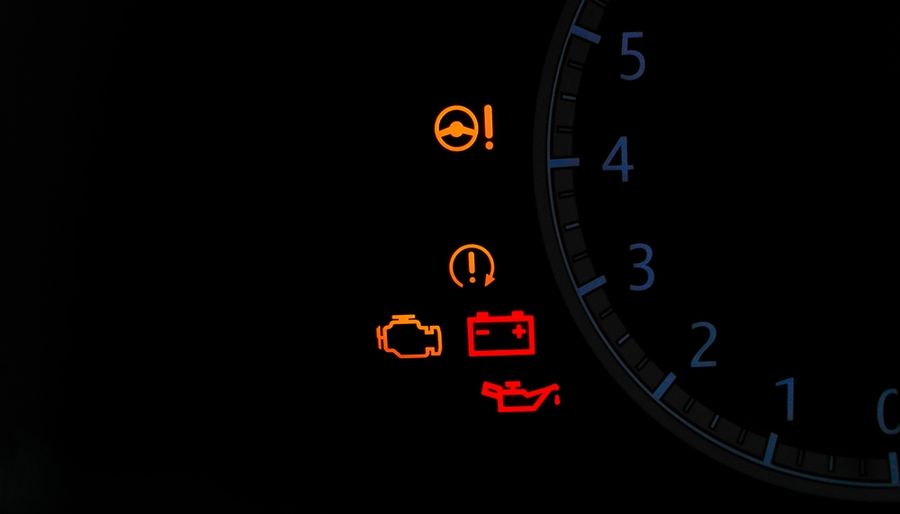
Dashboard warning lights are designed to communicate important information about a vehicle’s condition. When one appears, it can be tempting to ignore it, especially if the car still seems to drive normally. However, warning lights often signal issues that can worsen over time if left unaddressed. Some lights indicate minor concerns, while others point to problems that require immediate attention. Understanding what dashboard warning lights mean helps drivers respond appropriately, avoid costly repairs, and maintain safer driving conditions.
Why Dashboard Warning Lights Exist
Dashboard warning lights are part of a vehicle’s onboard monitoring system. Sensors throughout the car track engine performance, fluid levels, braking systems, and other critical components. When something operates outside its normal range, the system alerts the driver through a warning light. These alerts are designed to provide early notice before a problem becomes severe.
Modern vehicles rely heavily on electronics, which makes warning lights more common than in older cars. A single issue, such as a faulty sensor, can trigger a light even if the car feels fine. While some warnings are precautionary, others indicate mechanical or safety-related problems.
The Check Engine Light
The check engine light is one of the most common and misunderstood dashboard warnings. It can illuminate for many reasons, ranging from a loose gas cap to engine performance issues. When the light stays solid, it often signals a non-urgent issue that still needs attention. A flashing check engine light usually indicates a serious problem that could cause engine damage if driving continues.
Because the check engine light covers a wide range of issues, diagnosing the cause requires a scan tool. Ignoring it can lead to reduced fuel efficiency, higher emissions, and worsening mechanical problems. Even if the car feels normal, underlying issues may still be present.
Oil Pressure and Oil Level Warning Lights
Oil-related warning lights indicate problems with engine lubrication. An oil pressure warning light often signals insufficient oil flow, which can cause rapid engine damage. Low oil pressure may result from low oil levels, worn components, or oil pump problems. Driving with low oil pressure can quickly lead to overheating and severe engine wear.
Some vehicles also have an oil level warning light. This light indicates low oil volume rather than pressure. While less urgent than a pressure warning, low oil levels still require prompt action. Regularly checking oil levels helps prevent both warnings. Ignoring oil-related alerts increases the risk of engine failure.
Battery and Charging System Warning Lights
The battery warning light indicates an issue with the vehicle’s charging system rather than the battery alone. This light may signal problems with the alternator, battery connections, or electrical system. When the charging system fails, the car relies solely on battery power. Once the battery is depleted, the vehicle may stall or fail to restart.
Electrical issues can affect multiple systems, including lights, power steering, and infotainment. A battery warning light often requires inspection as soon as possible. Continuing to drive may result in being stranded. Corroded terminals or worn belts can sometimes cause charging issues.
Brake System Warning Lights
Brake warning lights indicate issues that affect stopping power and safety. A brake system light may signal low brake fluid, worn brake components, or problems with the braking system itself. Some vehicles use separate lights for standard braking systems and advanced safety features. Any brake-related warning should be taken seriously.
Anti-lock braking system lights indicate problems with braking assistance rather than basic braking ability. While normal braking may still work, advanced features may be disabled. Reduced braking performance increases accident risk, especially in emergency situations. Brake system warnings should be inspected promptly.
Tire Pressure Monitoring System Lights
Tire pressure warning lights alert drivers when one or more tires are under or overinflated. Low tire pressure reduces fuel efficiency, handling, and tire lifespan. It can also increase the risk of tire failure. This light often activates when temperatures drop or pressure changes suddenly.
Driving with underinflated tires can cause uneven wear and reduced traction. Over time, this leads to premature tire replacement. Proper tire pressure also supports smoother braking and steering. Once tires are inflated correctly, the warning light may need to be reset.
Understanding Warning Lights Helps Protect Your Vehicle
Dashboard warning lights serve as an early warning system for vehicle health and safety. Each light provides information designed to help drivers take action before problems escalate. Ignoring warning lights removes an important safety feature built into modern vehicles.
Paying attention to warning lights supports long-term reliability and performance. Addressing issues early prevents costly repairs and unexpected breakdowns. Regular maintenance and inspections reduce the likelihood of frequent alerts. Dashboard warning lights are not meant to cause panic, but they should never be ignored.