

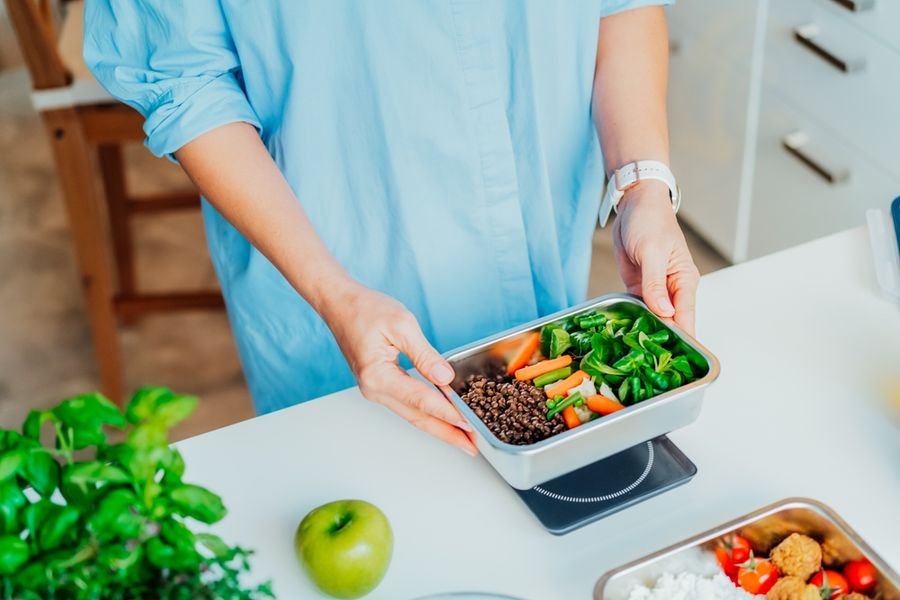
Eating well often feels difficult when schedules are full and energy is low. Many people want healthier meals but feel short on time during the week. Meal prep helps reduce stress around food by making meals easier to assemble and quicker to enjoy. A little planning can support better nutrition, save money, and limit last-minute takeout decisions. Meal prep does not need to be complicated or time-consuming. Simple strategies can make healthy eating feel realistic, even during the busiest weeks.
Why Meal Prep Helps Busy Schedules
Meal prep works because it removes daily decision-making around food. When meals are planned ahead of time, there is less pressure to figure out what to eat when hunger hits. This can reduce reliance on convenience foods that are often high in sugar, sodium, or unhealthy fats. Preparing meals ahead also helps manage portion sizes and supports balanced nutrition.
Meal prep also saves time during the week. Cooking once and eating multiple times reduces daily kitchen cleanup and cooking time. It can also save money by reducing food waste and unnecessary restaurant spending. Many people feel less stressed knowing meals are ready to go. Meal prep supports consistency, which makes healthy eating easier to maintain long term.
Start With Simple, Realistic Meal Planning
Effective meal prep begins with realistic planning. Choosing meals that match schedule demands makes prep easier to maintain. Busy people often benefit from selecting meals with minimal ingredients and simple cooking steps. Planning two or three core meals for the week is often enough. Repeating meals can reduce effort while still supporting nutrition.
It helps to plan meals around existing habits. Breakfasts and lunches are often easier to prep than dinners. Writing a short meal plan before grocery shopping helps reduce impulse purchases. Planning also makes it easier to use ingredients efficiently across multiple meals. Keeping expectations manageable increases the chance of consistency.
Choose Ingredients That Save Time
Selecting the right ingredients can make meal prep much faster. Pre-washed greens, frozen vegetables, and canned beans can significantly reduce prep time. These options still provide nutrition without requiring extensive chopping or cooking. Rotisserie chicken or pre-cooked proteins can also save time.
Staple ingredients help streamline meal prep. Items such as rice, quinoa, eggs, oats, yogurt, and frozen fruit can be used in many meals. Having a few reliable ingredients makes planning easier. Batch-friendly foods work especially well for busy schedules. Using time-saving ingredients allows meal prep to stay efficient and realistic.
Batch Cooking Makes Meals Effortless
Batch cooking involves preparing larger portions at one time and using them across multiple meals. Cooking grains, proteins, or roasted vegetables in bulk saves time during the week. These ingredients can be mixed and matched to create different meals. Batch cooking reduces the need to cook from scratch every day. It also helps maintain consistent nutrition without extra effort.
Batch cooking works well for lunches and dinners. Soups, stir-fries, grain bowls, and sheet-pan meals are easy to prepare in large amounts. Storing cooked food in clear containers makes meals easy to grab. Labeling containers with dates can help keep food fresh. Batch cooking supports flexibility because meals can be adjusted with sauces or seasonings.
Prep Ingredients Instead of Full Meals
Meal prep does not require fully cooked meals. Prepping ingredients alone can save significant time. Washing and chopping vegetables, cooking grains, or portioning proteins makes meals faster to assemble. Ingredient prep allows flexibility for changing tastes throughout the week. It also prevents boredom from eating the same meal repeatedly.
Ingredient prep works well for salads, wraps, and quick skillet meals. Keeping components ready encourages healthier choices during busy moments. Prepped ingredients can be combined in different ways, creating variety with minimal effort. This approach feels less restrictive and easier to maintain. Ingredient prep supports balance between structure and flexibility, which is ideal for busy lifestyles.
Meal Prep Supports Health Without Perfection
Meal prep does not require cooking every meal at home or following strict rules. Even preparing a few meals per week can make a meaningful difference. The goal is progress, not perfection. Small efforts can reduce stress, improve nutrition, and support consistency. Busy schedules become easier to manage when meals require less effort.
Healthy eating becomes more realistic when food decisions are made ahead of time. Meal prep supports balanced nutrition while saving time and money. Simple planning, batch cooking, and ingredient prep make the process easier. Storage and organization help maintain consistency.