

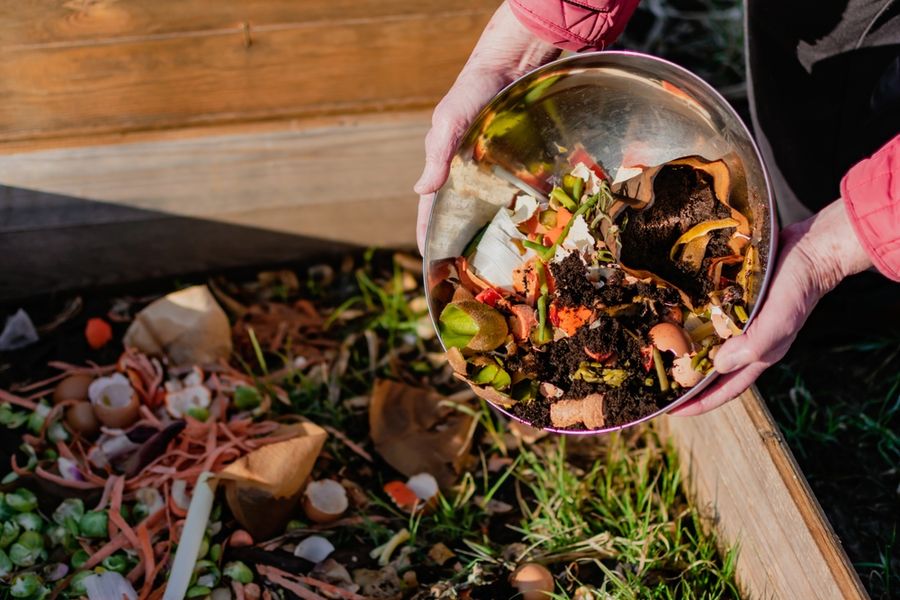
Composting kitchen waste is a simple way to reduce trash and nourish your garden at the same time. Instead of sending food scraps to a landfill, you can turn them into rich soil that helps plants grow strong and healthy. Composting bins make the process easy and clean, whether you have a backyard or a small patio. With the right bin and a little know-how, you can turn everyday waste into valuable garden soil year after year.
Why Composting Matters
Composting benefits both your garden and the environment. When food scraps and yard waste break down naturally, they create nutrient-rich compost. This compost improves soil health, helps retain moisture, and supports plant growth without the need for chemical fertilizers.
Reducing waste is another big benefit. Food scraps make up a large part of household garbage, and composting keeps those materials out of landfills. That means less methane gas, a greenhouse gas that contributes to climate change. Composting also gives you a chance to learn more about natural cycles and care for your outdoor space in a sustainable way.
Types of Composting Bins
There are several types of composting bins, and choosing the right one depends on your available space and how much waste you produce. The most common options include tumbler bins, stationary bins, worm bins, and simple DIY bins.
Tumbler bins are great for people who want a fast and neat composting process. These bins sit on a frame and can be turned by hand. Turning the compost regularly helps speed up decomposition and keeps materials aerated. Tumblers are often elevated, which can make them easier to use and less attractive to pests.
Stationary bins are simple containers that stay in one place. Many are enclosed boxes with a lid to keep animals out. These bins work well if you have room in your backyard and don’t mind turning compost with a garden fork or pitchfork. They are sturdy and can hold a large volume of material.
Worm bins, also known as vermicomposters, use special composting worms (usually red wigglers) to break down kitchen scraps. Worm composting works indoors or outdoors and produces very rich compost called worm castings. These bins are great for smaller spaces and people who want fast, nutrient-dense results.
Finally, DIY bins can be made from old trash cans, wooden pallets, or wire mesh. These options are often low-cost and can be customized to fit your space. DIY bins still allow food waste to decompose naturally when managed correctly.
What You Can Compost
Not all kitchen waste should go into your composting bin, but many common scraps are perfect for turning into soil. Vegetable and fruit peels, coffee grounds, tea bags, eggshells, and stale bread break down well in compost. Yard waste like grass clippings, shredded leaves, and small branches also adds valuable material.
It helps to balance your compost with “greens” and “browns.” Greens are items rich in nitrogen, such as food scraps and fresh yard waste. Browns are rich in carbon, like dried leaves, paper towels, and cardboard. A mix of both helps the compost break down efficiently and reduces odor.
Avoid putting meat, dairy, oils, or fatty foods into your compost. These items break down more slowly and can attract unwanted pests. Also limit citrus peels and onion skins in small amounts, as they can slow the composting process if added in large quantities.
How Composting Bins Work
Composting bins create the right conditions for decomposition. Microorganisms like bacteria and fungi break down the waste, turning it into compost over time. For best results, your compost needs air, moisture, and a proper balance of greens and browns.
For tumbler and stationary bins, turning the compost helps introduce air. If the mixture looks dry, you can add a little water. If it looks too wet or smelly, adding more brown materials can help. Worm bins need careful attention to moisture — they should be damp like a wrung-out sponge.
Depending on the bin type and materials, compost can take anywhere from a few weeks to several months to finish. Finished compost is dark, crumbly, and earthy in smell. It can be spread around garden beds, mixed into potting soil, or used as mulch to improve plant health.
Practical Tips for Success
Composting doesn’t have to be complicated. Start small if you’re new to it and gradually add more materials as you learn what works best. Chop larger scraps into smaller pieces so they break down faster. Regularly check your bin to make sure it’s balanced and smelling fresh.
If you have trouble with pests, choose bins with secure lids and keep food waste mixed well with browned materials. For worm bins, avoid placing them in direct sunlight or freezing temperatures. A shady, cool spot works best.
A Simple Step Toward a Greener Home
Composting bins give you an easy way to transform kitchen waste into valuable garden soil. Whether you choose a tumbler, stationary bin, worm bin, or DIY option, you can reduce waste and grow healthier plants without much effort.
With a little practice and regular care, composting can become a natural part of your routine. By turning everyday scraps into nutrient-rich soil, you support a greener, more sustainable home and garden.