

Outdoor water use can make up a large part of household water bills, especially during warmer months. Watering lawns, gardens, and plants often requires more water than people realize. Rain barrels offer a simple way to capture and reuse rainwater that would otherwise run off roofs and into storm drains. By collecting water courtesy of nature, homeowners can lower outdoor water use, support healthy plants, and reduce strain on local water systems at the same time.
What Is a Rain Barrel and How It Works
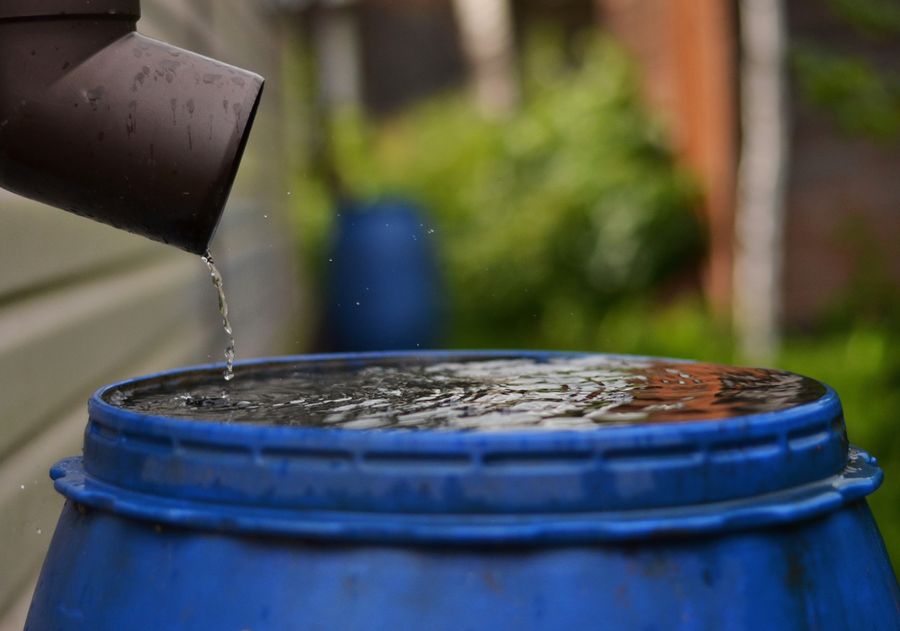
A rain barrel is a container that collects rainwater from your roof through a downspout. When it rains, water flows from the roof into the barrel, where it is stored for later use. Most rain barrels include a screen to keep out debris and a spigot near the bottom to allow easy access to the water.
Once collected, the water can be used for outdoor tasks such as watering gardens, washing tools, or filling watering cans. Because rain barrels rely on gravity, they are usually placed on a stable surface near the home. The setup is simple and does not require changes to indoor plumbing.
Reducing Outdoor Water Use
Using rainwater instead of tap water can significantly reduce outdoor water use. Many common outdoor tasks do not require treated drinking water. Plants, lawns, and flower beds do well with rainwater, which is natural and without added chemicals.
By using water collected during rainfall, homeowners can reduce how often they turn on sprinklers or hoses. Over time, this can lower total water consumption, especially during dry periods when outdoor watering is most frequent. Even small changes in daily habits can add up over a full season.
Supporting Healthier Plants and Soil
Rainwater is often better for plants than treated tap water. It is naturally soft and does not contain additives that may build up in soil over time. Using rain barrel water can help plants absorb nutrients more easily and grow stronger.
Consistent watering with collected rainwater also supports healthier soil. Because rain barrels encourage more mindful watering, homeowners often use water more carefully, focusing on roots instead of spraying large areas. This targeted approach reduces runoff and helps gardens stay healthy with less water.
Lowering Demand During Dry Periods
During dry seasons or drought conditions, water supplies can become strained. Many areas place limits on outdoor watering to protect local resources. Rain barrels help reduce demand on public water systems by providing an alternative source of water for outdoor use.
By relying on stored rainwater, homeowners can continue caring for plants even when restrictions are in place. This not only helps protect gardens but also supports broader community efforts to conserve water during critical times.
Environmental Benefits Beyond Cost Savings
Rain barrels offer environmental benefits that go beyond reducing water bills. Collecting rainwater helps manage stormwater runoff, which can carry pollutants into rivers and streams. By slowing the flow of water from roofs, rain barrels reduce erosion and pressure on drainage systems.
Using rainwater also reduces the energy needed to treat and pump water for household use. This means fewer resources are used to support outdoor watering needs. Over time, widespread use of rain barrels can contribute to healthier local ecosystems and more sustainable water use.
Choosing the Right Location and Setup
To get the most benefit from a rain barrel, placement matters. Barrels should be installed under downspouts that collect water from a large section of the roof. A level surface is important to prevent tipping and ensure smooth water flow.
Adding an overflow hose helps direct extra water away from the foundation during heavy rain. Some homeowners connect multiple barrels to increase storage capacity. Keeping the system clean by clearing leaves and checking screens helps maintain good water quality and smooth operation.
Everyday Uses for Collected Rainwater
Rain barrel water is best suited for outdoor tasks. Common uses include watering garden beds, potted plants, shrubs, and trees. It can also be used to rinse tools, clean outdoor furniture, or wash muddy shoes.
Because the water is untreated, it should not be used for drinking or cooking. Keeping rain barrel water for outdoor use ensures safety while still providing plenty of opportunities to reduce tap water use.
Making Rain Barrels Part of a Long-Term Plan
Rain barrels work best when combined with other water-smart habits. Using mulch, choosing drought-tolerant plants, and watering early in the morning all help reduce water needs. Rain barrels fit naturally into this approach by making better use of natural rainfall.
Over time, these habits support lower outdoor water use and more resilient landscaping. Even one barrel can make a difference, especially when used consistently throughout the growing season.
A Simple Tool for Smarter Water Use
Rain barrels offer a practical way to reduce outdoor water costs while supporting healthier plants and local water systems. By collecting and reusing rainwater, homeowners can lower demand on treated water, especially during peak watering months.
The setup is simple, the benefits are ongoing, and the impact grows over time. For anyone looking to use water more wisely, rain barrels are a smart and effective place to start.