

A car that will not start can derail a morning before the day even begins. While some battery failures happen suddenly, many are preceded by warning signs that drivers overlook: slow cranking, dim lights, corrosion, loose cables, or months of short trips that never fully recharge the battery. A simple battery maintenance routine cannot guarantee every start, but it can reduce avoidable surprises and help you catch problems before you are stranded.
Why Battery Care Matters Before the First Cold Morning
Many drivers only think about their battery after the engine refuses to turn over, but the battery is working every time the vehicle starts, unlocks, powers accessories, or sits parked with small electronic systems still active. Modern vehicles can place steady demands on a 12-volt battery, even when they are not being driven. That makes routine checks especially useful for vehicles used in stop-and-go traffic, short commutes, seasonal driving, or long airport parking stays.
No-start mornings often happen when an already weakened battery faces one more challenge. Cold weather can make the engine harder to crank, while heat can accelerate battery wear over time. A battery that seemed acceptable in mild weather may struggle when temperatures swing. Maintenance is not only about cleaning terminals; it is about watching the full pattern of battery health, driving habits, charging performance, and visible warning signs.
Build a Monthly Visual Inspection Habit
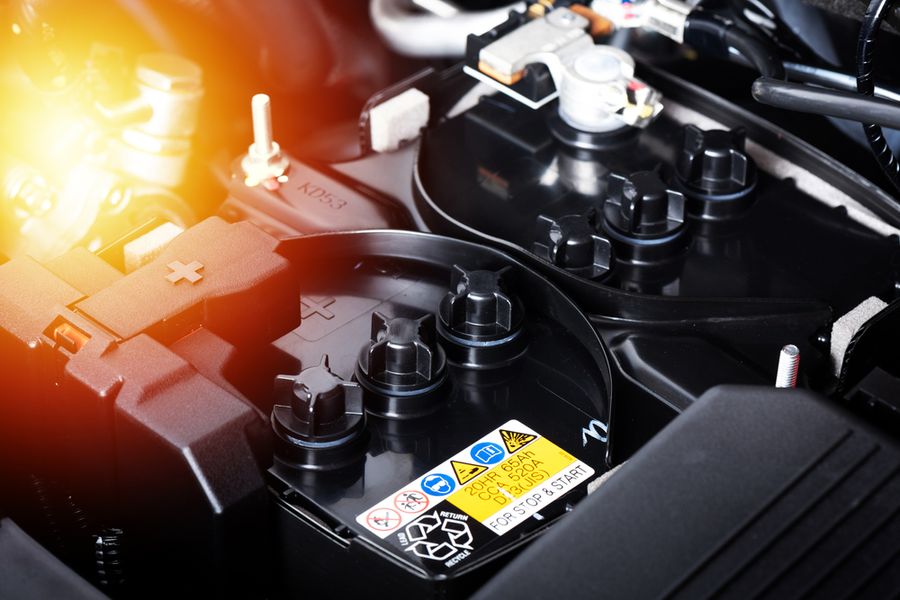
A monthly battery inspection takes only a few minutes and can be done while checking tire pressure, washer fluid, or oil level. Start with the vehicle parked safely, the engine off, and the key removed. Look at the battery case for swelling, cracking, leaking, or signs that it has shifted in its tray. A battery should sit securely, because vibration can contribute to internal damage and loose connections over time.
Next, look at the terminals and cable ends. White, blue, or greenish buildup around the posts may indicate corrosion, which can interfere with the electrical connection between the battery and the vehicle. Also check whether the cables feel loose, damaged, frayed, or stretched. You do not need to diagnose every issue yourself. The point of the inspection is to notice small changes early enough to clean, tighten, test, or ask a technician to take a closer look.
Keep Battery Terminals Clean and Secure
Clean terminals help current flow from the battery to the starter and other electrical systems. When corrosion builds up, the battery may still have charge, but the connection may not deliver power efficiently. That can show up as slow cranking, clicking, flickering lights, or inconsistent starts. Cleaning corrosion can be a useful maintenance step, but it should be done carefully because batteries can contain acid and produce gases.
Wear eye protection and gloves, avoid leaning directly over the battery, and follow the vehicle owner’s manual before disconnecting anything. Many drivers prefer to have a repair shop clean the terminals during routine service, especially if the battery is hard to access or the vehicle has sensitive electronics. If you do clean the terminals yourself, make sure the connections are fully dry and properly tightened afterward. A clean but loose cable can still cause starting problems.
Use a Battery Test Before the Battery Fails
A battery test is one of the most useful preventive steps because it can reveal weakness before the vehicle refuses to start. Many battery service technicians at auto parts stores, repair shops, and service centers can test a 12-volt battery and charging system. A proper test can help show whether the battery is still holding charge well, whether it has enough cranking power, and whether the alternator is recharging it properly while the engine runs.
Testing is especially helpful before winter, before summer road trips, after repeated slow starts, or when the battery is several years old. Age alone does not tell the whole story, because climate, driving habits, vibration, storage, and battery quality all matter. Still, a battery that is older and showing symptoms deserves attention. Waiting until the first freezing morning or the first day of a vacation drive is a common way to turn a small maintenance issue into an urgent problem.
Watch for Everyday Warning Signs
A weak battery often gives clues before it fails. The engine may crank more slowly than usual, lights may dim, dashboard warnings may appear, electrical features may behave sluggishly, or the vehicle may need frequent jump starts. These signs do not always mean the battery is the only problem, but they are strong reasons to have the battery and electrical system checked.
It is also important not to blame the battery for every electrical issue. Starting and charging problems can involve the battery, alternator, starter, cables, grounds, or connections, and the symptoms can overlap. Testing the battery, charging system, starter draw, cables, grounds, and connections helps identify the actual fault instead of replacing parts based on guesswork.
Adjust the Routine for Heat, Cold, and Short Trips
Battery care changes with the way a vehicle is used. In hot regions, heat can be tough on batteries, especially when the vehicle sits outside on pavement or in heavy traffic. In cold regions, a weakened battery may have less reserve just when the engine needs more power to start. Drivers in areas with major seasonal swings should consider battery testing before the most demanding weather arrives.
Short trips are another overlooked issue. If you regularly drive only a few minutes at a time, the alternator may not have enough time to fully replenish the charge used during startup. Over time, that can leave the battery undercharged. If the vehicle sits for long stretches, a battery maintainer may be useful, especially for seasonal cars, second vehicles, or cars parked during extended travel. The goal is to avoid letting the battery sit in a weakened state for too long.
Reduce Unnecessary Battery Drain
Some no-start mornings are caused by simple drains. A dome light left on, a door not fully closed, an accessory plugged into a power outlet, or electronics running while the engine is off can all pull power from the battery. Modern vehicles may also have alarms, keyless entry systems, dash cams, and onboard modules that use small amounts of power while parked. Usually that is normal, but problems can arise when the vehicle is parked for long periods or the battery is already weak.
Make it a habit to shut off headlights, cabin lights, chargers, and aftermarket accessories before leaving the vehicle. If you use a dash cam with parking mode, make sure it has proper low-voltage protection. If your battery repeatedly dies even when you are careful, have the vehicle checked for parasitic draw. Repeated jump-starts may get you moving, but they do not solve the reason the battery keeps losing charge.
FAQ: Battery Maintenance Questions Drivers Often Ask
Q: How often should I check my car battery?
A: A quick visual check once a month is a practical rhythm for many drivers. It can be paired with other basic maintenance habits, such as checking tire pressure or fluid levels. Battery testing can be done seasonally, before extreme weather, before long trips, or whenever the vehicle shows slow-start symptoms.
Q: Can cleaning corrosion fix a no-start problem?
A: Sometimes it can help, especially if corrosion is blocking a strong connection at the terminals. However, corrosion may not be the only issue. If the battery is weak, the cables are damaged, or the charging system is not working properly, cleaning alone may not solve the problem. Treat cleaning as one step in a broader inspection rather than a guaranteed repair.
Q: Should I jump-start the car every time the battery dies?
A: A jump-start can get the vehicle running in the moment, but repeated jump-starts are a warning sign. If the battery dies more than once without an obvious reason, have the battery and charging system tested. Continuing to jump-start a failing battery can leave you dependent on help instead of fixing the underlying issue.
Q: Does a battery maintainer make sense for everyday drivers?
A: It can, depending on use. A maintainer is most useful for vehicles that sit for long periods, seasonal cars, low-mileage vehicles, or cars parked during travel. For a daily driver with longer regular trips and a healthy charging system, it may be less necessary. The key is matching the tool to the way the vehicle is actually used.
A Simple Routine Can Save the Morning
Battery maintenance does not need to be complicated. A reliable routine can be as simple as looking for corrosion, confirming the battery is secure, paying attention to slow starts, reducing unnecessary drain, and testing the battery before harsh weather or long trips. Those habits help you spot trouble when you still have time to address it on your schedule.
No routine can prevent every failure, but small checks can reduce the odds of being surprised by a silent car on a busy morning. Treat the battery as part of regular vehicle care rather than an emergency item. When the first turn of the key or push of the start button matters, that preparation can make the difference between leaving on time and looking for jumper cables.
We created this article in conjunction with AI technology, then made sure it was fact-checked and edited by an TheInsiderScoop editor.