

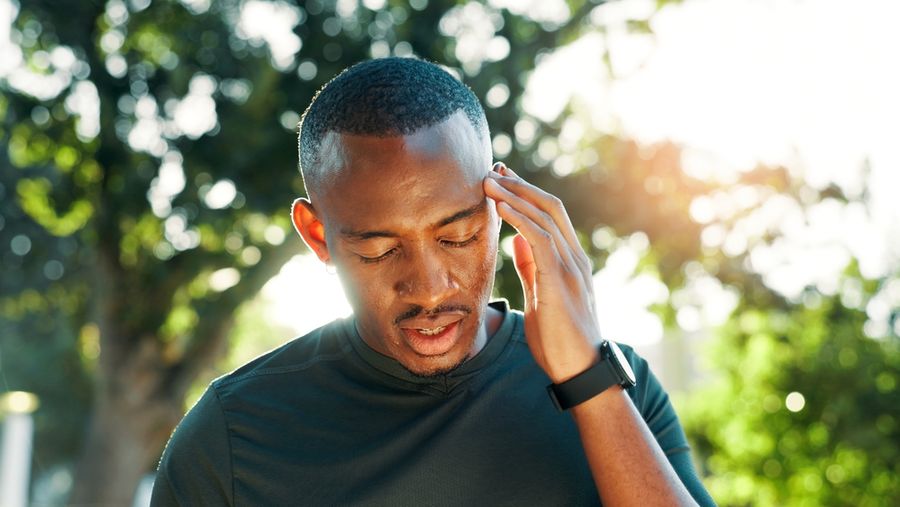
Feeling thirsty is often treated as the first sign of dehydration, but the body usually starts responding long before thirst becomes obvious. Even mild fluid loss can influence energy, concentration, body temperature, and physical performance in ways that are easy to overlook. Understanding what happens as hydration levels change can help explain why seemingly minor symptoms sometimes feel much bigger than expected, especially during hot weather, illness, or periods of increased physical activity.
Understanding Fluid Loss
Dehydration happens when the body loses more fluid than it takes in. Water helps move nutrients, regulate temperature, support digestion, cushion joints, and keep blood volume stable. CDC notes that daily fluid needs vary based on age, activity level, illness, pregnancy, breastfeeding, and climate.
Early signs of dehydration can feel ordinary. You may feel tired, lightheaded, foggy, thirsty, or notice darker urine. Some people also get dry mouth, headache, muscle cramps, or less frequent urination. The key point: thirst is a useful signal, but it is not the only sign to pay attention to. In fact, fluid loss may already be affecting how the body works before thirst feels strong.
How the Body Responds as Fluids Drop
When fluids drop, the body tries to protect vital functions first. As fluid levels fall, blood volume can drop, which makes the heart work harder to move blood. That can lead to dizziness, faster heartbeat, weakness, or feeling unusually worn out. The body also has a harder time cooling itself. Sweating helps release heat, but sweating also uses fluid. During hot weather or exercise, fluid loss can build faster than expected.
Digestion and bathroom habits can change too. Less fluid may make urine darker and less frequent. CDC also lists unclear thinking, mood changes, overheating, constipation, and kidney stones as possible problems linked with poor hydration. When is comes to dehydration, electrolytes matter because minerals such as sodium and potassium help nerves, muscles, and fluid balance work properly. MedlinePlus explains that electrolyte balance can be affected by illness, medications, and fluid shifts.
Recap: Signs Your Body May Need More Fluids
The signs of dehydration often develop gradually, which makes them easy to dismiss. As mentioned earlier, dry mouth or feeling thirsty may be the first thing people notice, but other symptoms can appear before thirst becomes obvious. Paying attention to several changes at once provides a better picture of your hydration than relying on a single symptom.
- Increased thirst
- Dry mouth or dry lips
- Dark yellow urine or urinating less often
- Headache
- Fatigue or unusual tiredness
- Dizziness or feeling lightheaded
- Muscle cramps
- Difficulty concentrating
More serious dehydration can lead to confusion, rapid heartbeat, fainting, or very little urine output. Those symptoms require prompt medical attention, especially if they develop during illness, extreme heat, or prolonged physical activity. Recognizing early warning signs gives you the opportunity to replace fluids before the body becomes significantly stressed.
The 5 Factors That Drive How Quickly Symptoms Show Up
Factor 1: Heat and humidity
Hot, humid weather makes cooling harder because sweat may not evaporate as well. That can raise body strain, especially during outdoor work, exercise, or long events.
Factor 2: Illness
Vomiting, diarrhea, and fever can cause faster fluid loss than normal daily activity. Mayo Clinic notes that mild to moderate cases from illness often improve with more fluids, while severe cases need medical care.
Factor 3: Activity level
A light walk and a long workout do not place the same demand on the body. More movement usually means more sweating, more heat production, and greater need for replacement fluids.
Factor 4: Age and health conditions
Older adults may not feel thirst as clearly. Certain medicines, especially diuretics, can also increase urination and fluid loss.
Factor 5: Recovery speed
Mild fluid loss may improve after rest and drinking. Warning signs such as confusion, fainting, very little urination, or symptoms that do not improve should be treated as more serious.
What Most People Get Wrong
“I am not thirsty, so I am fine.” The reality: thirst can be delayed, and some people feel it less strongly. Urine color, energy, dizziness, and recent heat or illness all matter.
“Only water counts.” The reality: water is a great choice, but foods with high water content and other beverages also contribute to daily intake. CDC notes that fruits and vegetables can add to fluid intake.
“Sports drinks are always better.” The reality: many adults only need water for ordinary daily needs. Electrolyte drinks may be helpful after heavy sweating, vomiting, diarrhea, or long exercise, but they are not automatically necessary for a normal day.
What Fluid Loss Means for Your Day
If you are mostly indoors, eating regular meals, and urinating normally, the most important factor is consistency. Sip fluids through the day instead of waiting until thirst feels intense.
If you are sick, working outside, exercising hard, or traveling, focus on replacement. Pay attention to urine frequency, dizziness, dry mouth, headache, and how quickly symptoms improve after rest and fluids.
If symptoms are severe or unusual, do not try to outguess them. Confusion, fainting, chest pain, very little urination, or worsening weakness should prompt medical help.
Frequently Asked Questions
Can dehydration cause headaches?
Yes, fluid loss can contribute to headaches in some people. Headaches can also have many other causes, so watch for other signs like dark urine, dizziness, dry mouth, or recent sweating.
Is dark urine always a problem?
Dark urine can be a clue that the body needs more fluid, but it is not perfect. Vitamins, medications, and certain foods can also change urine color.
How fast can someone feel better after drinking water?
Mild symptoms may improve fairly quickly with fluids and rest. Symptoms tied to illness, heat stress, or major fluid loss may take longer and may need medical care.
Who should be extra careful?
Older adults, people with fever, vomiting, or diarrhea, outdoor workers, athletes, and anyone taking medicines that increase urination should pay closer attention.
A Simple Step Before Worry Takes Over
Rather than guessing whether you're drinking enough water, spend a day paying closer attention to your body's normal patterns. Before each meal, take a moment to notice your energy level, urine color, and whether you've recently spent time exercising, working outdoors, or recovering from an illness. Looking at several clues together provides a much clearer picture than relying on thirst alone.
It also helps to build hydration into routines you already have. Drinking a glass of water with meals, carrying a reusable bottle during the day, and increasing fluid intake during hot weather or periods of heavy activity can make staying hydrated feel automatic instead of something you only think about after symptoms appear. Small, consistent habits are often more effective than trying to drink large amounts of water all at once.
It’s important to remember that every person's needs are different. Factors such as age, activity level, medications, climate, and overall health all influence how much fluid your body requires. Learning to recognize your own early warning signs makes it easier to respond before mild dehydration becomes a bigger problem.
Understanding Your Body's Hydration Signals
Hydration is about much more than satisfying thirst. Every organ system depends on adequate fluids to regulate temperature, circulate nutrients, support digestion, and keep the brain and muscles working efficiently.
The next time you head outside on a hot day, finish a workout, or recover from an illness, take a moment to check in with how you're feeling instead of waiting until you're noticeably thirsty. Building that simple habit can help you stay more comfortable, recover more quickly, and support your overall health every day.
We created this article in conjunction with AI technology, then made sure it was fact-checked and edited by an TheInsiderScoop editor.