

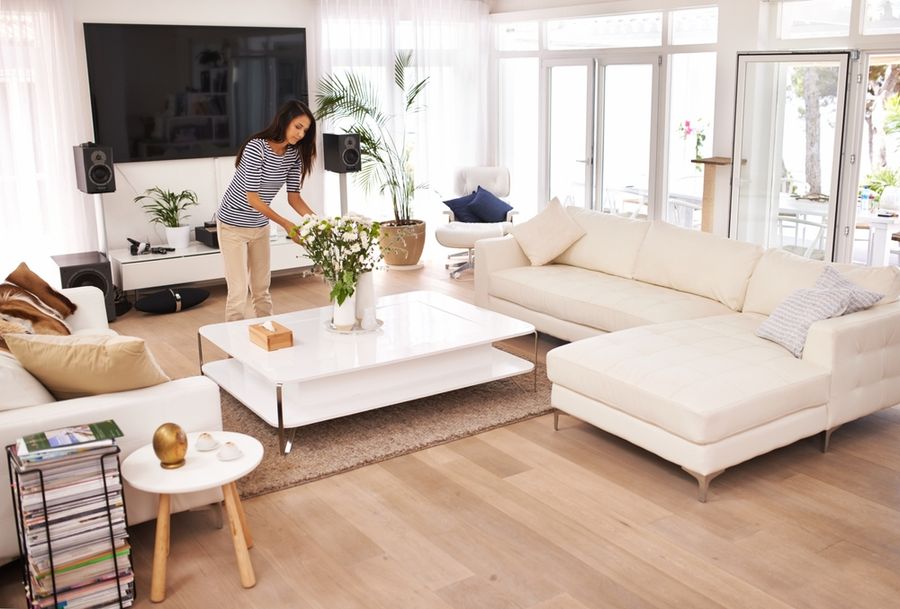
Feng shui is the practice of arranging your living space to support balance, comfort, and positive energy. While it has ancient roots, many of its ideas fit well with modern homes in the United States. Small changes in layout, light, and organization can make a space feel calmer and more supportive. By focusing on how energy, or “chi,” moves through your home, you can create an environment that feels welcoming, peaceful, and easier to live in every day.
1) Clear Clutter to Allow Energy to Move
One of the most important feng shui strategies is removing clutter. Clutter blocks energy flow and can make rooms feel heavy or stressful. Items that pile up in hallways, corners, or near doors can slow movement and create a sense of pressure.
Start by clearing areas where you walk often, such as entryways and living rooms. You do not need to remove everything, just what you no longer use or enjoy. Open surfaces and clear paths allow energy to move freely, which often makes the space feel lighter and more relaxing right away.
2) Improve the Entryway to Welcome Energy
In feng shui, the front door is seen as the main entrance for energy into the home. A clean, well-lit entryway helps welcome positive energy and sets the tone for the rest of the space. If the area feels crowded or dark, energy may feel blocked or slow.
Make sure the front door opens fully without hitting furniture or clutter. Add good lighting and keep the area tidy. A simple rug, a plant, or a small table can help create a warm and inviting feeling without overcrowding the space.
3) Use Furniture Placement to Support Flow
How furniture is arranged has a big impact on how energy moves through a room. Feng shui encourages layouts that allow easy movement and clear sight lines. Furniture placed in the middle of walkways or too close together can interrupt flow and make rooms feel tight.
In living areas, try placing seating so people can see the entrance to the room without sitting directly in line with the door. In bedrooms, position the bed where it feels supported by a wall and not directly in line with the door. These placements help create a sense of safety and calm.
4) Balance Light and Air Throughout the Home
Light and air are key parts of healthy energy flow. Rooms that feel dark or stale often feel heavy or uncomfortable. Feng shui encourages bringing in as much natural light and fresh air as possible.
Open windows regularly to let fresh air move through the space. Use mirrors to reflect light into darker areas, but avoid placing them directly facing beds or doors. Soft, warm lighting in the evening can also help create a calming atmosphere that supports rest and relaxation.
5) Add Natural Elements for Balance
Feng shui focuses on balance, often using natural elements to support that goal. Plants, wood, stone, and natural fabrics can help bring grounding energy into a home. These elements connect indoor spaces to nature and often improve how a room feels.
Houseplants are one of the easiest ways to improve energy flow. They add life, improve air quality, and soften sharp edges. Choose plants that are healthy and easy to care for, and remove any that are struggling. Natural materials in furniture or decor can also support a calm and balanced environment.
6) Create Calm Bedrooms for Restful Energy
The bedroom plays a major role in feng shui because it is where the body rests and recovers. Energy in this space should feel calm, quiet, and supportive. Too much activity or clutter can interfere with rest.
Keep work items and electronics to a minimum in the bedroom. Use soft colors and comfortable bedding. Make sure both sides of the bed are accessible if possible, which helps create balance. These changes support better sleep and a more peaceful start and end to each day.
7) Pay Attention to Sound and Smell
Energy is not only visual. Sound and smell also affect how a space feels. Loud or constant noise can create tension, while gentle sounds support calm. Unpleasant odors can block comfort and distract the mind.
Using soft music, wind chimes, or natural scents can help improve the mood of a room. Fresh air, clean fabrics, and simple scents like citrus or herbs often support a lighter feeling without being overwhelming.
Small Changes Can Shift the Energy of Your Home
Improving energy flow through feng shui does not require major changes or special tools. By clearing clutter, adjusting furniture, welcoming light, and adding natural elements, you can create a home that feels more balanced and comfortable.
These strategies focus on how spaces support daily life, rest, and connection. With small, thoughtful adjustments, feng shui can help your home feel calmer, more inviting, and better aligned with your needs.