

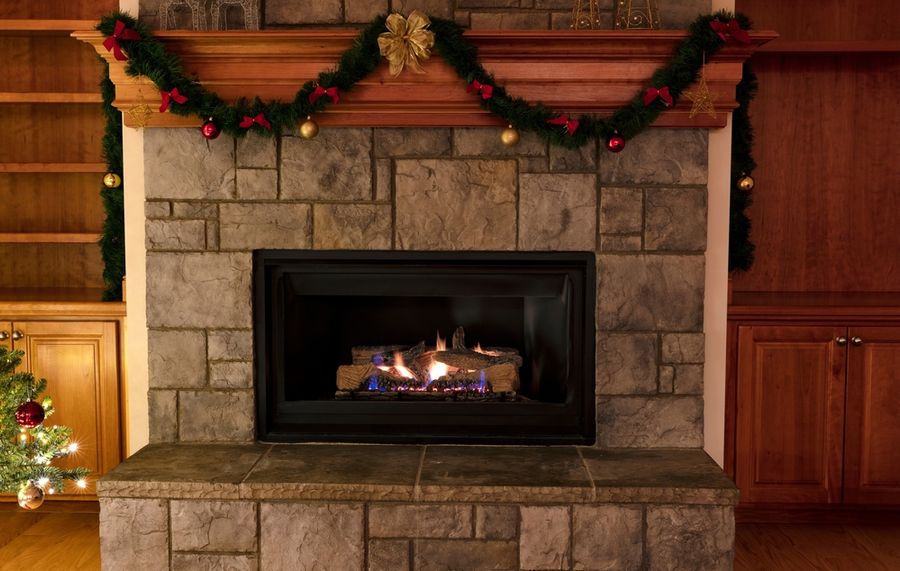
A traditional wood fireplace can make a living room feel warm and familiar, but it is not always the most practical feature to use regularly. Between firewood storage, smoke, ash, chimney upkeep, and uneven heat, many homeowners eventually consider a gas insert. The better choice depends on how you use the space, how much maintenance you want, and whether your priority is atmosphere, convenience, heat output, or a cleaner daily routine.
What Each Option Actually Means
A wood fireplace is usually an open masonry fireplace or prefabricated firebox designed to burn logs. It delivers the classic experience many homeowners associate with a real hearth: visible flames, crackling wood, and the smell of a wood fire. For some households, that ritual is the point. Building the fire, tending it, and letting it burn down are part of the appeal, especially during holidays, snow days, or occasional weekend use.
A gas insert is different from simply placing gas logs in an existing fireplace. An insert is a fitted appliance installed inside an existing fireplace opening, typically with a sealed firebox, gas burner, glass front, and venting system. It is designed to create controlled flame and heat with less hands-on work. Instead of hauling logs and cleaning ash after each fire, the homeowner can usually start the unit with a switch, remote, or thermostat-style control, depending on the model and installation.
At a Glance: Wood Fireplace vs. Gas Insert
|
Feature |
Wood Fireplace |
Gas Insert |
|---|---|---|
|
Best For |
Homeowners who value a traditional fire experience |
Homeowners who want easier operation and steadier heat |
|
Daily Convenience |
Requires firewood, kindling, lighting, tending, and cleanup |
Starts quickly with controls, depending on model |
|
Maintenance |
Needs ash removal, chimney attention, and wood storage |
Needs periodic professional service and venting checks |
|
Heat Use |
Often better for atmosphere than consistent room heating |
Often better for supplemental zone heating |
|
Air Quality Concerns |
Produces smoke, soot, ash, and fine particles |
Produces combustion gases but less visible mess indoors when properly vented |
|
Installation Needs |
Existing fireplace and chimney must be safe for wood burning |
Existing firebox, gas line, venting, and clearances must be evaluated |
|
Power Outage Use |
Can often provide ambiance and some heat without electricity |
Some models can operate during outages, but features vary |
|
Aesthetic Appeal |
Real wood flame, sound, smell, and ritual |
Cleaner flame presentation with less mess |
|
Best Upgrade Path |
Repair, chimney work, doors, or a wood insert |
Professionally installed gas insert with proper venting |
Convenience Is The Biggest Difference
The strongest argument for a gas insert is convenience. A wood fire takes preparation. You need seasoned firewood, a dry storage area, kindling, safe tools, and time to build the fire properly. Afterward, you need to deal with ashes, soot, and the possibility of lingering smoke odor. That may be perfectly acceptable for occasional fires, but it becomes less appealing when the fireplace is supposed to be part of everyday living.
A gas insert changes the relationship with the hearth. The fireplace becomes something you can use for a short evening, a cold morning, or a dinner gathering without planning around firewood and cleanup. This matters for busy households, older homeowners, and anyone who likes the look of a fire but rarely uses the wood fireplace because it feels like a chore. If the fireplace is more decorative than functional today, convenience alone may justify the upgrade.
Heat Performance And Room Comfort
Many traditional open fireplaces are not especially effective as heating tools. They can make the area near the hearth feel warm while also allowing heated indoor air to escape through the chimney. This does not mean every wood fireplace is useless, but it does mean homeowners should be realistic. If the goal is steady supplemental heat for a living room, family room, or finished basement, a gas insert is often the more practical choice.
A gas insert can provide a more controlled heating experience because it is built as an appliance rather than an open fire. Many models use sealed combustion and a blower to move warm air into the room. That can make the fireplace feel less like a special-occasion feature and more like a zone-heating option. It still should not be treated as a replacement for a properly designed central heating system unless the product and home layout support that use, but it can make one frequently occupied room more comfortable.
Maintenance And Cleanup
Wood fireplaces require a maintenance mindset. Ash has to be removed safely, glass doors or screens need attention, and the surrounding hearth can collect soot and debris. The chimney also matters. Creosote buildup, damaged masonry, cracked liners, blocked flues, or poor draft can turn a fireplace from charming to unsafe. Even homeowners who use the fireplace only a few times per year should take inspection and maintenance seriously.
Gas inserts are cleaner in day-to-day use, but they are not maintenance-free. A gas appliance still needs proper venting, secure connections, clean burners, intact glass, and periodic professional service. Dust, pet hair, blocked vents, or worn components can affect performance. The difference is that gas insert maintenance is usually less messy for the homeowner. Instead of cleaning up after every fire, the homeowner is more likely to schedule routine service and keep the area around the unit clear.
Air Quality, Smoke, And Household Comfort
Smoke is one of the main reasons homeowners move away from wood fireplaces. Wood smoke contains gases and fine particles, and it can aggravate comfort issues inside and outside the home. Even a fireplace that drafts well can create smoke during startup, refueling, or windy conditions. For households with children, older adults, people with respiratory sensitivities, or neighbors close by, smoke may be more than a minor inconvenience.
A properly installed and vented gas insert usually creates a cleaner indoor experience than an open wood fire because there is no ash pile, no log handling, and no routine smoke drift into the room. However, gas appliances still involve combustion, so safety cannot be ignored. Carbon monoxide alarms, professional installation, and proper venting are essential. The choice is not between “maintenance” and “no maintenance.” It is between two different types of combustion systems, each of which needs to be respected.
Installation Questions To Answer First
Before deciding, the existing fireplace should be evaluated. A wood-burning fireplace may need masonry repair, chimney liner work, damper repair, or other updates before it can be used safely. If the homeowner wants to keep burning wood, those repairs may be worthwhile. If the firebox or chimney is in poor condition, however, converting to a gas insert may still require significant preparation rather than simply sliding in a new appliance.
For a gas insert, the key questions include whether natural gas or propane is available, where the gas line can run, what venting system is required, whether the existing fireplace opening is compatible, and whether local codes or homeowner association rules apply. A qualified installer should confirm clearances, venting, gas supply, and product fit. This is not a project to approach as a cosmetic swap only, because the appliance has to operate safely inside an existing structure.
When A Wood Fireplace Still Makes Sense
Keeping a wood fireplace can make sense if you use it only occasionally, enjoy the ritual, have reliable access to properly seasoned wood, and are willing to maintain the chimney. It may also make sense in historic homes where the fireplace is part of the home’s character. Some homeowners simply do not want to trade the sound, scent, and unpredictability of real wood for the cleaner but more controlled look of gas.
A wood fireplace may also be appealing if your main goal is ambiance rather than efficient heat. In that case, the best upgrade may not be a gas insert. It might be chimney repair, a better screen, glass doors, improved draft correction, or a move to an EPA-certified wood-burning insert if heating efficiency is the goal. The right answer depends on whether you want to preserve the traditional fireplace experience or replace it with a more convenient appliance.
When A Gas Insert Is The Better Upgrade
A gas insert tends to make more sense when the existing wood fireplace goes unused because it is messy, smoky, drafty, or too much work. It is also a strong candidate for homeowners who want reliable supplemental heat in one room without carrying wood through the house. If the fireplace is in a main living space, the convenience of quick startup can dramatically increase how often it is used.
Gas inserts can also work well for homeowners who want a cleaner-looking hearth. There is no woodpile beside the fireplace, no bark on the floor, no ash bucket, and no need to wait for embers to go cold before cleaning. The trade-off is that the installation may be more involved than expected. A gas line, venting, permits, product selection, and professional labor all shape the final project, so the practical decision should be based on the whole installation, not just the appliance style.
Choose The Upgrade You Will Actually Use
A wood fireplace and a gas insert can both make a home feel more inviting, but they serve different kinds of homeowners. A wood fireplace is best for people who value the tradition, sound, scent, and hands-on process of a real log fire. A gas insert is best for people who want easier operation, more consistent room comfort, and less cleanup.
The most sensible upgrade is the one that solves the problem you actually have. If the issue is a damaged chimney, start with an inspection. If the issue is that nobody wants to build fires, a gas insert may make the hearth useful again. If the issue is heat, compare appliance performance and room layout carefully. A fireplace should fit your home, but it should also fit the way you live.
We created this article in conjunction with AI technology, then made sure it was fact-checked and edited by an TheInsiderScoop editor.