

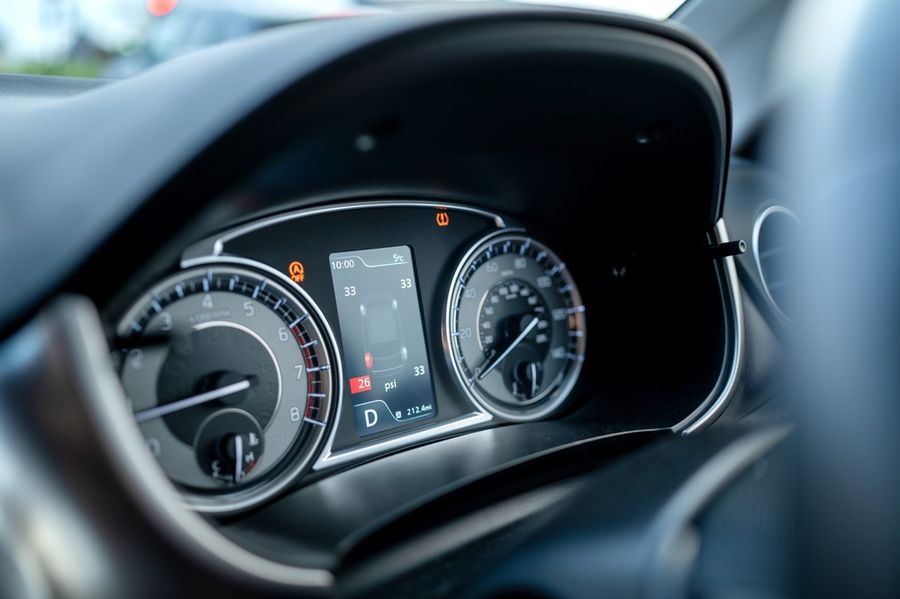
A dashboard warning light has a way of grabbing your attention, especially when you're not sure what it means. Tire Pressure Monitoring Systems (TPMS) are designed to alert drivers when tire pressure falls outside the recommended range, but many people wonder whether the warning is truly urgent or simply a reminder. Understanding what the system monitors, what it doesn't, and how it affects safety can help you make smarter decisions every time you get behind the wheel.
What Is a Tire Pressure Monitoring System?
A tire pressure monitoring system, commonly called TPMS, is a safety feature that monitors the air pressure inside your vehicle's tires. If one or more tires become significantly underinflated, the system turns on a dashboard warning light to alert the driver. Since proper tire pressure affects handling, braking, and tire wear, TPMS helps identify problems before they become more serious.
Modern vehicles generally use one of two types of TPMS. Direct systems measure pressure using sensors inside each wheel, while indirect systems estimate tire pressure by monitoring wheel speed through the anti-lock braking system (ABS). Both approaches aim to improve safety, though they work in different ways and offer different levels of precision.
How Tire Pressure Monitoring Systems Work
|
System Type |
How It Works |
Advantages |
Limitations |
|
Direct TPMS |
Sensors inside each tire measure actual air pressure and send readings to the vehicle. |
Highly accurate, provides real-time pressure information, can often identify which tire is low. |
Sensors eventually require battery replacement and may increase replacement costs during tire service. |
|
Indirect TPMS |
Uses wheel speed data from the ABS system to estimate whether a tire has lost pressure. |
No pressure sensors inside the wheels, generally lower maintenance costs. |
Less precise and may require recalibration after tire rotation or pressure adjustments. |
Regardless of which system your vehicle uses, the goal is the same: alert you before underinflated tires create a safety concern. While direct systems provide more precise information, indirect systems still offer valuable protection by identifying changes in tire performance that often indicate low pressure.
It’s worth noting that neither system replaces routine tire maintenance. TPMS serves as an early warning system, but drivers should still check tire pressure regularly using a quality tire gauge, especially before long trips or during major seasonal temperature changes.
Why Proper Tire Pressure Matters
Correct tire pressure affects nearly every aspect of how your vehicle performs. Tires inflated to the manufacturer's recommended pressure provide better traction, more predictable handling, shorter braking distances, and more even tread wear. Proper inflation also helps distribute the vehicle's weight evenly across the tire, improving stability during cornering and emergency maneuvers.
Underinflated tires generate more heat as they roll, increasing the risk of premature wear and, in severe cases, tire failure. They also create additional rolling resistance, forcing the engine to work harder and reducing fuel efficiency. Even slightly low tire pressure can shorten tire life over time, making regular monitoring one of the simplest ways to improve both safety and long-term ownership costs.
What Causes the TPMS Warning Light to Turn On?
A TPMS warning light doesn't always mean you have a flat tire, but it should never be ignored. Several different situations can trigger the warning.
- Tire pressure has dropped below the recommended level.
- Cold weather has temporarily reduced tire pressure.
- A slow puncture or small air leak is developing.
- One or more tires have been damaged by a pothole or road debris.
- Tires were recently rotated or replaced, and the system needs to be reset.
- A TPMS sensor battery has reached the end of its lifespan.
- A sensor has become damaged during tire service.
- The TPMS requires recalibration after inflation or maintenance.
Many of these situations are easy to address once identified. However, because it's difficult to know the exact cause without checking the tires, it's always worth investigating the warning promptly rather than assuming it's a false alarm.
What Should You Do When the TPMS Light Comes On?
When the warning light appears, taking a few simple steps can help determine whether it's a minor issue or something requiring immediate attention.
- Find a safe place to stop if driving conditions allow.
- Inspect all four tires for obvious damage or signs of a flat.
- Check tire pressure using a reliable tire pressure gauge.
- Inflate any low tires to the pressure listed on the driver's door jamb sticker, not the maximum pressure shown on the tire sidewall.
- Reset the TPMS if your vehicle requires it after adjusting tire pressure.
- Schedule an inspection if the warning remains on or returns after reinflating the tires.
Responding promptly helps reduce unnecessary tire wear and lowers the chances of driving on an unsafe tire.
Common TPMS Myths
Because the TPMS warning light is relatively simple, it's easy to misunderstand what it's actually telling you. Separating fact from fiction can help you respond appropriately when the light appears.
|
Myth |
Reality |
|
The TPMS light means I have a flat tire. |
It usually means one or more tires are underinflated, not necessarily flat. |
|
It's okay to ignore the warning for a few days. |
Driving with low tire pressure can reduce handling, increase tire wear, and affect braking performance. |
|
Adding air until the tire looks full is enough. |
Tires should always be inflated to the vehicle manufacturer's recommended pressure. |
|
TPMS replaces routine tire maintenance. |
The system is an alert, not a substitute for regular inspections and pressure checks. |
|
The light will always turn off immediately after adding air. |
Some vehicles require driving a short distance or manually resetting the system before the warning clears. |
Understanding what TPMS can and can't do helps prevent unnecessary worry while ensuring genuine problems receive the attention they deserve.
When TPMS Doesn't Tell the Whole Story
Although TPMS is an important safety feature, it doesn't monitor every aspect of tire health. The system can't measure tread depth, identify uneven wear caused by poor alignment, or detect damage like sidewall cuts or bulges. A tire may also lose traction because of worn tread while still maintaining the correct air pressure.
That's why regular inspections remain important even when no warning lights are present. Checking tire pressure once a month, inspecting tread wear, and looking for visible damage can help catch problems before they become expensive repairs or safety hazards. Think of TPMS as one part of a complete tire maintenance routine rather than the entire solution.
Decision Checklist: Should You Pay Attention to Your TPMS?
If your tire pressure monitoring system warning light comes on, use the following checklist to decide your next steps:
- Is the TPMS warning light illuminated?
- Yes: Continue to the next step.
- Can you safely pull over?
- Yes: Stop when it's safe and inspect your tires.
- No: Drive cautiously until you can safely stop.
- Check the air pressure in all four tires.
- Is one or more tires below the recommended pressure?
- Yes: Inflate the tire(s) to the pressure listed on the driver's door jamb sticker.
- No: Continue to the next step.
- After inflating the tires, did the warning light turn off?
- Yes: Your tire pressure was likely the issue. Continue driving, but check your tire pressure regularly.
- No: The system or one of the TPMS sensors may need to be inspected.
- Do you notice visible tire damage, rapid air loss, or unusual handling?
- Yes: Have the tire inspected or repaired as soon as possible.
- No: Schedule a TPMS inspection if the warning light remains on.
A TPMS warning doesn't always indicate a serious problem, but it's always worth investigating. Taking a few minutes to check your tire pressure can improve safety, reduce unnecessary tire wear, and help prevent more costly repairs down the road.
Why That Little Dashboard Light Deserves Your Attention
TPMSs are designed to do one job: notify you when your tires may no longer be operating at their safest or most efficient pressure. While the warning light doesn't always signal a major emergency, it provides valuable information that can help prevent excessive tire wear, improve fuel economy, and reduce the risk of tire-related problems on the road.
Paying attention to your TPMS doesn't mean assuming the worst every time the light appears. It simply means taking a few minutes to check your tires, confirm the correct pressure, and investigate any issues before they become more serious. Combined with regular tire inspections and routine maintenance, TPMS serves as a valuable tool that helps keep both your vehicle and everyone inside it safer.
We created this article in conjunction with AI technology, then made sure it was fact-checked and edited by an TheInsiderScoop editor.