

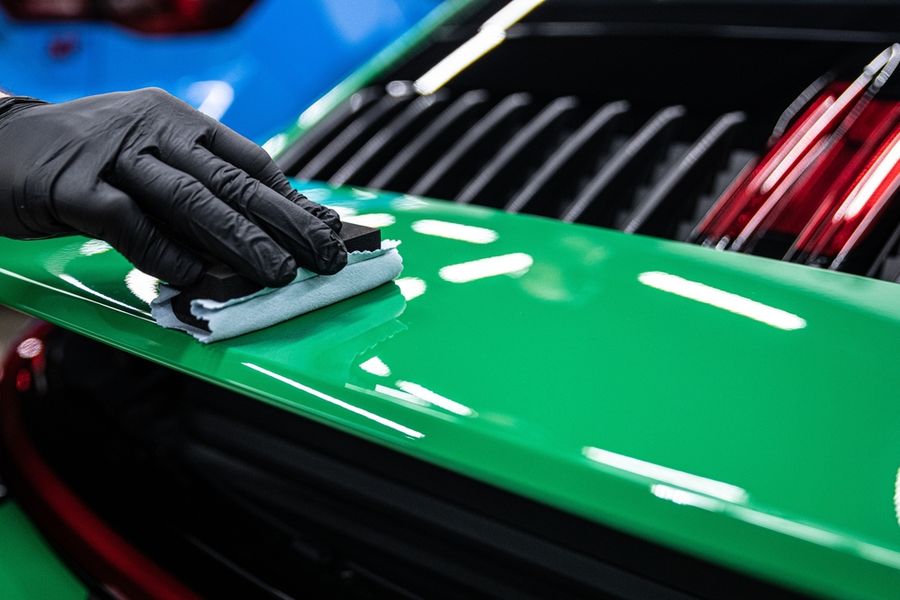
A glossy, freshly detailed car is hard to ignore, which is why ceramic coatings have become so popular with vehicle owners. The promise of easier cleaning, lasting shine, and added paint protection sounds appealing, but the investment can also leave buyers wondering if it lives up to the hype. Understanding what a ceramic coating actually does, along with where it falls short, makes it much easier to decide if it deserves a place on your vehicle.
What a Ceramic Coating Actually Does for Paint
Ceramic Coating is a liquid product that bonds to a vehicle’s clear coat and creates a thin protective layer. Many formulas use silicon dioxide, often called SiO2, which helps create a slick, water-repelling surface. Autoblog describes it as a liquid polymer that bonds to the clear coat rather than a thick shell sitting on top.
The biggest misconception is that it makes paint scratch-proof. It does not. It can help protect against grime, UV exposure, light chemical stains, and easier wash damage, but it will not stop rock chips, deep scratches, dents, or careless washing. Think of it as a long-wearing protective finish, not armor. It makes cleaning easier and helps paint stay glossy longer, but it still needs maintenance.
What Ownership Looks Like After Application
A real driver usually notices the difference during washing. Water beads up, dirt releases more easily, and the paint often looks glossier after a simple rinse and hand wash. That can matter for someone who parks outside or drives through road salt, pollen, dust, or highway grime.
The biggest surprise is how much prep matters. Paint correction, washing, decontamination, and proper curing often matter as much as the product itself. A poorly prepped surface can lock in swirl marks or fail sooner.
Maintenance still matters after application too. Detailers commonly recommend gentle wash products, soft towels, and avoiding harsh cleaners or brush-style automatic washes. DetailingFinder notes that pH-neutral soap, microfiber tools, and careful washing help preserve coating life.
Drivers Who Get the Most Value
The coating makes the most sense for drivers who care about appearance, plan to keep the car, and will maintain it properly. It is less useful for someone who rarely washes their car or expects protection against physical damage.
- Someone with a newer vehicle who wants to preserve gloss before paint gets heavily worn
- A driver who parks outside and deals with sun, tree sap, rain spots, pollen, or road grime
- A commuter who washes by hand and wants cleanup to take less effort
- An owner keeping a vehicle for several years instead of trading it soon
Where the Shine Falls Short
Ceramic Coating can disappoint people who expect too much. It does not replace paint protection film, and it does not prevent chips from gravel, highway debris, or parking-lot damage. If rock-chip protection is the main concern, paint protection film is usually the better tool.
It can also be a poor fit for older paint with heavy oxidation, peeling clear coat, or deep scratches. The coating may improve gloss, but it cannot repair damaged paint. Paint correction or repainting may need to come first.
Dealership add-ons deserve extra caution. Some may be convenient, but the buyer should ask who applies the product, what prep is included, what maintenance is required, and what the warranty excludes.
What Affects the Final Cost
The biggest cost driver is labor. A proper job often includes washing, clay treatment, paint correction, careful application, and curing time. A cheaper job may skip the prep that makes the finish look good and last longer.
Vehicle size also matters. A large SUV, truck, or neglected car usually takes more time than a small sedan with clean paint. The coating grade, installer experience, and warranty terms can also affect the final bill.
DIY kits cost less upfront, but they carry more risk. Uneven application, high spots, streaking, or poor prep can leave visible flaws. For a daily driver with average paint, professional prep often matters more than chasing the longest advertised lifespan.
How to Decide Without Regret
If you have a newer car, park outside, care about gloss, and wash carefully, the coating is probably a smart fit because it helps protect the finish and makes cleaning easier. If your car already has rough paint, peeling clear coat, or many chips, spend money on paint repair or basic detailing first.
If you want protection from gravel, door dings, or highway chips, choose paint protection film for high-impact areas instead. A coating can go over film later, but it should not be treated as a substitute for physical impact protection.
Scenario recommendation: If you own a newer daily driver, plan to keep it at least several more years, and already wash by hand or use touchless washes, get a professional inspection and quote. If you lease, trade often, or use brush car washes, skip the upgrade and focus on regular washing and wax or sealant instead.
How to Choose a Reputable Installer
Not every installer offers the same level of preparation or expertise. A coating is only as good as the surface beneath it, so asking a few questions before booking can make a big difference. A reputable detailer should be willing to explain the process, discuss the condition of your vehicle's paint, and recommend the most appropriate option rather than simply selling the most expensive package.
Look for an installer with a portfolio of completed work and reviews that mention long-term results, not just how the car looked on pickup day. It's also worth asking what maintenance is recommended after application and whether paint correction is included. A little extra research upfront can help you avoid disappointment and give the coating the best chance to perform as expected for years to come.
Frequently Asked Questions
Does the coating mean I never have to wax my car?
Usually, yes, traditional waxing becomes less necessary while the coating is performing well. Some owners still use compatible maintenance sprays, but harsh waxes or abrasive products can reduce performance.
Can it protect against scratches?
It may reduce very light wash marks, but it will not stop deep scratches, key marks, or rock chips. Any installer promising scratch-proof paint is overselling the service.
How long does it last?
Lifespan depends on prep, product quality, climate, washing habits, and storage. Many professional coatings are marketed for multi-year durability, but real-world results depend heavily on maintenance and exposure.
Your Next Step Before Booking
Before committing to the service, schedule an in-person consultation with a reputable detailer rather than relying only on online descriptions or dealership sales pitches. A professional should inspect the condition of your paint, point out existing imperfections, and explain whether paint correction is recommended before the coating is applied. That conversation can reveal far more than a brochure ever will.
Come prepared with a few questions. Ask which product will be used, how long the curing process takes, what maintenance is recommended afterward, and what the warranty actually covers. Comparing answers from two or three reputable installers can make it much easier to separate quality workmanship from marketing claims.
Making the Right Choice for Your Vehicle
A ceramic coating can be a worthwhile investment for drivers who want easier maintenance, longer-lasting gloss, and added protection from everyday contaminants. The best results come from realistic expectations, proper surface preparation, and regular care after application. It is not a substitute for careful driving or paint protection film, but it can help preserve your vehicle's appearance for years.
Before making a decision, think about how long you plan to keep your vehicle, where it spends most of its time, and how much effort you're willing to put into maintaining the finish. Matching the product to your driving habits and maintenance routine is far more important than choosing the package with the biggest promises.
We created this article in conjunction with AI technology, then made sure it was fact-checked and edited by an TheInsiderScoop editor.